If you have recently received a 65089 short code notification on your mobile device, you are certainly not alone. Every day, thousands of smartphone users search for information regarding this specific five-digit number.
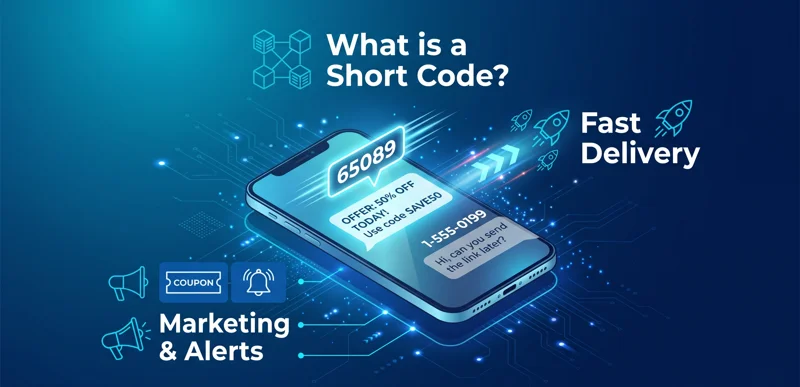
Understanding the exact origin of a 65089 text message is crucial in today’s digital landscape. Mobile communication is constantly evolving, and consumers need to know whether the messages they receive are legitimate alerts or potential security threats.
This comprehensive guide will demystify the 65089 number. We will explore how Common Short Codes (CSCs) operate, why businesses use them, and what actions you should take when you receive one of these automated messages.
Contents
What Exactly is the 65089 Short Code?
The 65089 number is a Common Short Code (CSC). In the telecommunications industry, short codes are specialized five- or six-digit numbers designed specifically for high-volume, two-way text messaging campaigns.
Unlike standard ten-digit phone numbers, these abbreviated codes are heavily regulated and leased by businesses, non-profits, and government agencies. They are built to process thousands of messages per second.
When you receive a text from 65089, it means an organization has utilized an SMS aggregator to push a message through your mobile carrier’s network directly to your device.
Why Businesses Prefer Short Codes Over Regular Numbers
Companies invest heavily in leasing short codes because they offer unmatched reliability and speed. Standard phone numbers are subject to strict carrier filtering to prevent spam, which often slows down mass communication.
Because short codes are pre-approved by major carriers like AT&T, Verizon, and T-Mobile, messages sent from them bypass many of these traditional filters. This ensures that time-sensitive alerts reach consumers instantly.
Furthermore, a five-digit number is significantly easier for consumers to remember. This makes it highly effective for call-to-action marketing campaigns displayed on billboards, television commercials, or social media ads.
| Feature | 65089 Short Code | Standard 10-Digit Number |
|---|---|---|
| Throughput Speed | Extremely High (100+ per second) | Low (1 message per second) |
| Carrier Filtering | Pre-approved, minimal blocking | Strict filtering for bulk texts |
| Primary Use Case | Mass marketing, 2FA, alerts | Person-to-person communication |
| Memorability | High (5 digits) | Low (10 digits) |
Common Reasons You Received a 65089 Text Message
If a 65089 text message suddenly appears on your lock screen, it typically falls into one of several distinct categories. The most common is a transactional notification.
Transactional texts include two-factor authentication (2FA) codes, appointment reminders, shipping updates, or banking alerts. You usually trigger these messages yourself by logging into an account or completing a purchase.
Another prevalent use is promotional marketing. If you opted into a loyalty program at your favorite retail store or restaurant, they might use this code to send you exclusive coupons, flash sale announcements, or event invitations.
Short codes represent the most direct and reliable communication pipeline between a brand and its audience, ensuring critical information is delivered without delay.
The Technical Journey of a Short Code SMS
The backend operation of short code messaging is a complex ecosystem. It does not simply travel from a marketer’s computer to your phone. It involves multiple technical intermediaries.
First, a business creates a campaign using a dedicated SMS software platform. This platform forwards the request to a Tier 1 messaging aggregator. The aggregator is the crucial bridge connecting software to cellular networks.
The aggregator then routes the message to your specific mobile carrier. The carrier performs a final rapid check for compliance and delivers the text to your mobile device, all within a fraction of a second.
Is the 65089 Short Code Safe and Legitimate?
Safety is the primary concern for most users searching for information on this topic. Generally speaking, registered Common Short Codes are highly secure and strictly monitored by telecommunications authorities.
To acquire and maintain a short code, businesses must undergo rigorous vetting processes. They are legally bound to follow guidelines established by the Cellular Telecommunications Industry Association (CTIA) and the Federal Communications Commission (FCC).
However, no system is entirely immune to abuse. While the code itself is legitimate, scammers occasionally attempt to spoof caller IDs or use compromised shared short codes to send phishing links.
| Indicator | Legitimate Message | Suspicious/Scam Message |
|---|---|---|
| Tone | Professional, informational | Urgent, threatening, demanding |
| Links Included | Directs to official brand domains | Uses shortened or misspelled URLs |
| Information Requested | None (Read-only alerts) | Asks for passwords, PINs, or SSN |
| Opt-Out Clear | Includes “Reply STOP to cancel” | No opt-out instructions provided |
How to Spot and Avoid SMS Phishing (Smishing)
Smishing is a tactic where fraudsters send texts designed to trick you into revealing personal information or downloading malware. Recognizing these attempts is vital for your digital security.
Never click on unexpected links, even if they appear to come from a five-digit number. If a message claims your bank account is locked, do not use the provided link. Instead, open your official banking app or call the number on the back of your debit card.
Be highly skeptical of messages promising unexpected prizes, gift cards, or package deliveries you did not order. These are classic lures designed to create a false sense of urgency.
For more detailed information on consumer protection, you can review the FCC guidelines on unwanted texts.
How to Stop Unwanted 65089 Messages
If you are receiving continuous messages from this number and wish to stop them, the process is usually straightforward. The telecommunications industry mandates standard opt-out commands for all commercial senders.
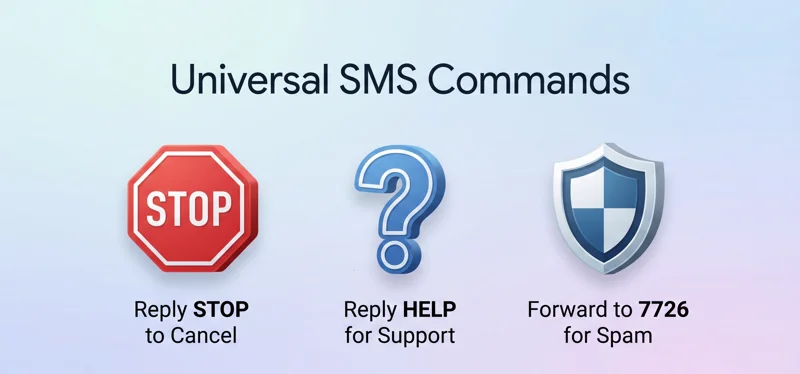
Simply open the message thread and reply with the single word “STOP”. Do not add punctuation or other words. The automated system should instantly process your request and send a confirmation text stating you have been unsubscribed.
If “STOP” does not work, you can also try replying with “CANCEL”, “UNSUBSCRIBE”, “QUIT”, or “END”. Legitimate platforms are programmed to recognize all of these universal opt-out keywords.
What to Do if the Opt-Out Fails
In rare instances, a technical glitch may prevent the automated system from processing your opt-out request. If you continue to receive texts after replying “STOP”, you have further options.
First, you can reply with the word “HELP”. This command should trigger an automated response providing the contact information, website, or customer support phone number of the company managing the short code.
If the sender remains completely unresponsive, you can use your smartphone’s built-in operating system features to block the number. On both Android and iOS, you can select the sender profile and choose the “Block Contact” or “Block Caller” option.
| Action Desired | Universal SMS Command | Expected Outcome |
|---|---|---|
| Cancel Subscription | STOP | Immediate removal from the active texting list. |
| Get Support Info | HELP | Receive a message with contact details or a website URL. |
| Re-subscribe | START or UNSTOP | Reinstates your consent to receive future messages. |
Best Practices for Businesses Using Short Codes
If you are a business owner considering leasing a short code for your marketing strategy, strict adherence to compliance laws is non-negotiable. Failing to follow the rules can result in heavy fines and carrier blacklisting.
The most critical rule is obtaining explicit, documented consent from consumers before sending them a single text. You cannot simply buy a list of phone numbers and start broadcasting messages; this violates the Telephone Consumer Protection Act (TCPA).
Consent must be clear and conspicuous. If a user enters their phone number on your website, there must be a visible checkbox stating they agree to receive automated marketing SMS messages.
Strict adherence to TCPA and CTIA guidelines is not just a legal requirement; it is the foundation of building trust and long-term engagement with your mobile audience.
Crafting Effective SMS Campaigns
Once you have a compliant subscriber list, the content of your messages determines your success. Mobile screens are small, and consumer attention spans are short. Brevity is key.
Always identify your brand in the first few words of the text. Since users receive messages from multiple five-digit numbers, they need to know instantly who is contacting them.
Provide clear value in every message. Whether it is a time-sensitive discount, an exclusive early access link, or a critical account update, the message must justify the interruption to the user’s day.
| Compliance Rule | Description | Importance Level |
|---|---|---|
| Explicit Opt-In | Users must actively agree to receive texts. | Critical (Legal Requirement) |
| Clear Opt-Out | Must include instructions like “Reply STOP”. | Critical (CTIA Requirement) |
| Message Frequency | Disclose how many texts the user will receive (e.g., “Max 4/mo”). | High |
| Data Rates Notice | Include “Msg & Data rates may apply”. | High |
The Evolution and Future of SMS Marketing
As we look deeper into 2026, the landscape of mobile messaging is shifting. While short codes remain incredibly powerful, new technologies are beginning to emerge.
Rich Communication Services (RCS) is becoming the new standard for modern smartphones. RCS allows for verified sender profiles, meaning a business’s logo and official name will appear instead of a random string of numbers.
This verified branding will significantly reduce consumer anxiety regarding spam and phishing. It also allows for rich media, read receipts, and interactive carousels directly within the native messaging app.
Reporting Abuse and Spam
If you believe a short code is being used maliciously to distribute spam or dangerous phishing links, you play an important role in keeping the network safe. Do not just delete the message.
You can report the message to your cellular carrier by forwarding the exact text to the global spam reporting number: 7726. This spells “SPAM” on a standard telephone keypad.
When you forward a message to 7726, your carrier will investigate the sender. If enough users report the same short code, carriers can sever the aggregator connection, shutting down the spam campaign at its source.
Frequently Asked Questions
Who owns the 65089 short code?
Short codes are often leased by marketing agencies or SMS aggregators who manage campaigns for various different brands. The sender identity depends on the specific campaign you opted into.
Will I be charged for receiving a 65089 text message?
Standard message and data rates may apply depending on your cellular plan. However, if you have an unlimited texting plan, receiving these alerts will not cost you anything extra.
Can I call the 65089 number back?
No, short codes are strictly designed for text-based communication. If you attempt to voice call a five-digit number, the call will fail or drop immediately.
Why did I receive a text if I never signed up?
You may have inadvertently checked an opt-in box during an online checkout, or you recently acquired a recycled phone number that belonged to a previous subscriber.
What happens when I reply STOP?
Replying STOP triggers an automated command at the carrier level, legally forcing the sender to remove your number from their active broadcasting database.
Are short codes safer than regular phone numbers?
Yes, generally. Because they are expensive to lease and strictly vetted by major carriers, they are much harder for scammers to acquire compared to standard ten-digit VoIP numbers.
Can a short code steal my personal data?
The text message itself cannot extract data from your phone. However, if you click a malicious link inside the text and type in your passwords, your data can be stolen.
Disclaimer: This article is for informational purposes only. Telecommunications regulations, carrier policies, and short code ownership can change frequently. Always exercise caution when interacting with unknown text messages and consult official carrier guidelines for the most accurate security advice.