
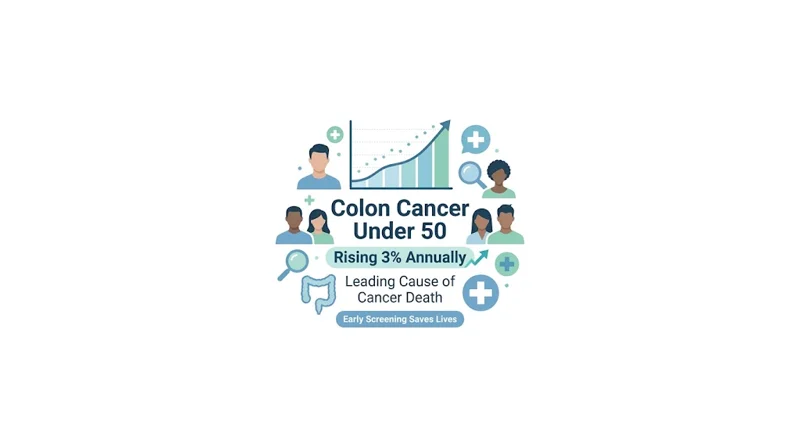
Boston researchers discover differences in colon cancer tumor cells in younger patients, a groundbreaking revelation that is changing how the medical community approaches early onset colorectal cancer. In recent years, the rates of colorectal cancer among people under 50 have been increasing by nearly 3% annually, making it the leading cause of cancer-related death in this demographic.
This alarming trend has puzzled doctors for a long time. However, a collaborative study involving the Mass General Brigham, Dana-Farber Cancer Institute, and the Broad Institute has finally provided critical biological insights. The fact that Boston researchers discover differences in colon cancer tumor cells in younger patients offers massive hope for developing highly targeted, life-saving therapies in the near future.
Contents
The Human Impact Before Boston researchers discover differences in colon cancer tumor cells in younger patients
To truly understand the gravity of these scientific findings, we must look at the human lives affected. Kristen Vincent, a survivor from Orleans, was diagnosed with stage 3 colorectal cancer on her youngest daughter’s second birthday. Her biggest fear was missing her children grow up.
Her intense treatment at the Dana-Farber Cancer Institute involved 28 days of radiation, invasive surgery, eight exhausting rounds of chemotherapy, and nearly a year with an ileostomy bag. Despite the immense physical and emotional toll, Kristen fought back with an incredibly positive mindset.
“Every day I would tell myself, cancer is not going to kill me today.”
After five years of clean scans, Kristen’s story is a beacon of hope. Her journey highlights exactly why it is so monumental that Boston researchers discover differences in colon cancer tumor cells in younger patients. It paves the way to save more young adults facing this exact nightmare.
| Age Group | Recent Annual Increase Rate | Primary Mortality Status |
|---|---|---|
| Under 50 Years Old | Nearly 3% annually | Leading cause of cancer death |
| Over 50 Years Old | Generally declining | Improving survival rates |
The Science: How Boston researchers discover differences in colon cancer tumor cells in younger patients
Dr. Ana Anderson and her dedicated research team aimed to figure out if the disease behaves differently depending on the patient’s age. By thoroughly analyzing 189 tumors and over 850,000 individual cell nuclei, including samples from over 50 young patients, they struck gold.
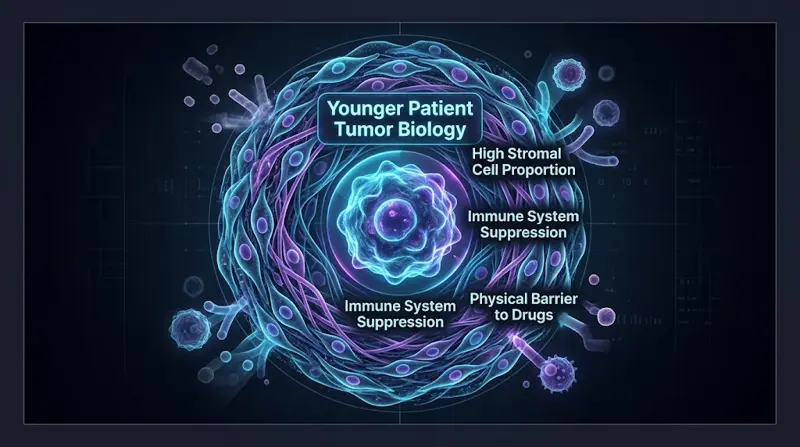
The core finding that emerged when Boston researchers discover differences in colon cancer tumor cells in younger patients revolves around the cellular environment of the tumors. They found that younger patients possess a significantly higher proportion of stromal cells compared to older patients.
Understanding Tumor Cell Differences When Boston researchers discover differences in colon cancer tumor cells in younger patients
Stromal cells essentially form the connective tissue within a tumor. According to Dr. Anderson, these specific cells can produce factors that actively suppress the patient’s immune system. This makes it substantially harder for a young, otherwise healthy body to fight off the malignant cancer cells.
Furthermore, these stromal cells can act as a physical barrier. This dense barrier prevents chemotherapy and other life-saving drugs from properly penetrating the tumors. For more detailed clinical guidelines on cancer care, you can visit the official American Cancer Society website.
| Tumor Characteristic | Younger Patients (Under 50) | Older Patients (Over 50) |
|---|---|---|
| Stromal Cell Proportion | Significantly Higher | Standard / Lower |
| Immune System Response | Suppressed by stromal factors | Less suppression noted |
| Drug Penetration | Blocked by cellular barriers | Relatively easier penetration |
Researchers also noted variations in gene expression that might contribute to more aggressive forms of the disease. This explains why colon cancer symptoms under 50 can sometimes rapidly escalate.
“Before we were just trying to look for differences, now we have some differences that we can kind of dig into further to hopefully understand biology, and that could lead to interventions down the road.”
Future Treatments as Boston researchers discover differences in colon cancer tumor cells in younger patients
The fact that Boston researchers discover differences in colon cancer tumor cells in younger patients does not entirely explain the root cause of the initial spike in cases. However, it provides a very clear target. Future pharmaceutical interventions can be tailored to break down these stromal barriers in young adults.
For individuals like Kristen, it is critical not to ignore any warning signs. Finding blood in the stool on a consistent basis requires immediate medical attention. Catching the disease early through colonoscopies drastically increases survival probabilities.
Frequently Asked Questions (FAQs)
Why is the recent Boston cancer study important?
It is crucial because Boston researchers discover differences in colon cancer tumor cells in younger patients, identifying distinct biological barriers that can be targeted for better treatments.
Are colon cancer rates rising in young people?
Yes, rates among individuals under 50 have been increasing by nearly 3% every year recently.
What are stromal cells?
Stromal cells are connective tissue cells within a tumor that can create barriers against drugs and suppress the immune system.
How do tumors differ in younger patients?
Younger patients tend to have a higher proportion of these immune-suppressing stromal cells compared to older patients.
What are common colon cancer symptoms under 50?
Symptoms often include consistent blood in the stool, changes in bowel habits, unexplained weight loss, and chronic abdominal pain.
Should young adults get colonoscopies?
Absolutely. If you experience persistent symptoms, a colonoscopy is critical to catch the disease early and improve survival rates.
Will this discovery lead to a cure?
While not a direct cure yet, understanding these cellular differences allows scientists to design specific drugs tailored for younger patients, vastly improving future treatment outcomes.
Disclaimer: This article is for informational purposes only, and we are not affiliated with any financial or governmental institution mentioned.