The fact that Ovaries remain active decades after menopause study reveals is completely changing how the medical community views women’s health in 2026. For generations, doctors and patients alike assumed that once reproductive years ended, these organs simply went dormant. However, groundbreaking research has shattered this longstanding myth.
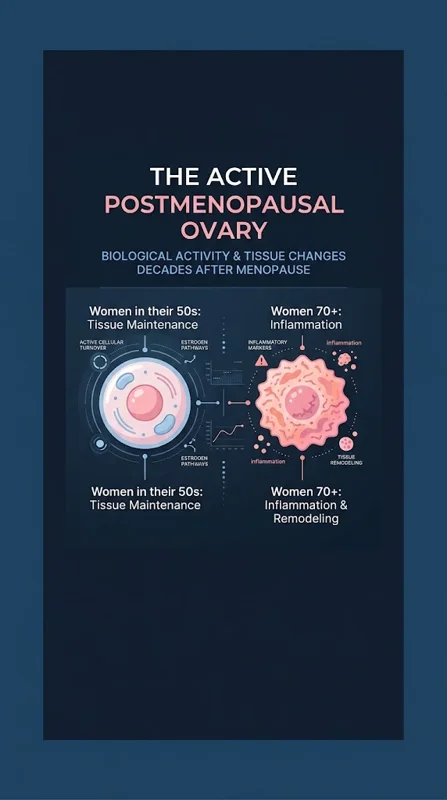
Contrary to popular belief, the postmenopausal ovary is not defunct. Researchers from Northwestern University and the Buck Institute for Research on Aging have discovered that these organs continue to remodel with age. The reality that Ovaries remain active decades after menopause study reveals has massive implications for how we understand systemic aging in women.
Contents
Why Ovaries remain active decades after menopause study reveals New Truths
Most people assume that once fertility ends, ovaries sit there doing nothing, much like an appendix. However, that Ovaries remain active decades after menopause study reveals is what makes this new scientific exploration so incredibly different. The ovary is an innocent bystander no more.
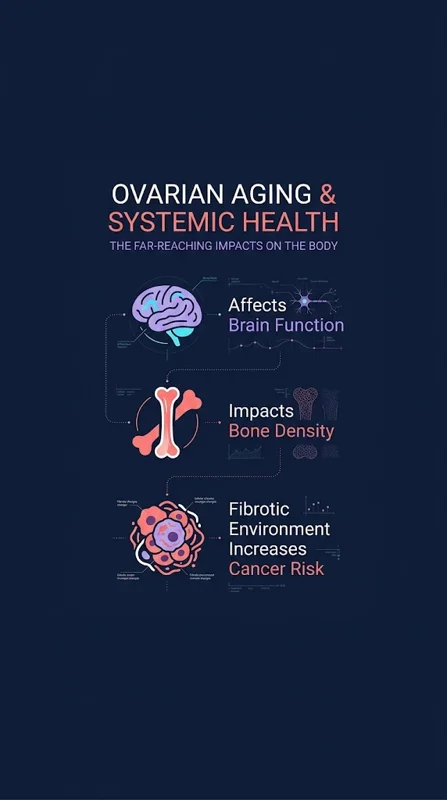
By analyzing human ovarian tissue from 28 women ages 50 to 75, scientists tracked over 5,812 groups of proteins. They noted that over the decades, the tissue undergoes quite dramatic differences. Knowing that Ovaries remain active decades after menopause study reveals that this dynamic organ speaks to other organs, such as the brain and bones, long after reproduction ceases.
| Age Group | Ovarian Tissue Characteristics | Dominant Protein Activity |
|---|---|---|
| Women in their 50s | Early postmenopausal, tissue maintenance | Proteins involved in maintaining cells and structure |
| Women 70 and older | Late postmenopausal, tissue remodeling | Proteins associated with inflammation and immune activity |
The Science: Ovaries remain active decades after menopause study reveals
Using advanced proteomic technologies, researchers were able to zero in on the molecular changes occurring during postmenopausal years. The fact that Ovaries remain active decades after menopause study reveals points to progressive aging features. The organ appears to lose its original identity and ends up doing something entirely different.
“In the ovary, we reach a point of no return with respect to fertility… but the fact that across species we’re seeing this gives us confidence that something truly meaningful is happening in the biology.”
As postmenopausal ovaries age, proteins involved in maintaining tissue structure decline. In their place, proteins involved in inflammation and reshaping the tissue environment become much more prominent. This cellular senescence proves that Ovaries remain active decades after menopause study reveals critical data about aging.
Health Impacts: Ovaries remain active decades after menopause study reveals
Because women now routinely live for decades after menopause, it is vital to understand this long postreproductive period. Could the ovary be the canary in the coal mine for women’s health? The evidence that Ovaries remain active decades after menopause study reveals suggests that ovarian aging might set off a cascade of systemic changes.
For more detailed information on women’s health and aging processes, you can visit the National Institutes of Health. Continued research is necessary to determine if these ongoing biological changes are ultimately beneficial or harmful.
Cancer Risks: Ovaries remain active decades after menopause study reveals
The new research also found a potential molecular link between ovarian aging and cancer. As ovaries age, they become increasingly inflamed, fibrotic, and stiff. Cancer cells can thrive in collagen-rich, stiff environments. Therefore, the finding that Ovaries remain active decades after menopause study reveals suggests a hospitable environment for disease could develop.
| Health Factor | Impact of Aging Ovaries | Clinical Significance |
|---|---|---|
| Bone Health | Altered communication with bone tissues | Potential link to postmenopausal osteoporosis |
| Cancer Risk | Increased inflammation and fibrosis | May create an environment cancer cells prefer |
Although the tissue in the study was normal and cancer-free, proteins associated with ovarian cancer were more abundant in aging ovaries. That Ovaries remain active decades after menopause study reveals a potential “third hit” for ovarian cancer, alongside genetic and environmental factors.
“We do not yet know if there’s ever a point in a woman’s life when this organ is no longer beneficial and it’s actually harmful.”
These findings raise essential questions about whether healthy ovaries should eventually be removed to prevent disease. For now, the realization that Ovaries remain active decades after menopause study reveals a complex biological process that demands further clinical investigation.
Frequently Asked Questions
Do ovaries stop working completely after menopause?
No, contrary to popular belief, ovaries continue to be biologically active, remodeling their tissue and interacting with other organs.
What does “Ovaries remain active decades after menopause study reveals” mean for my health?
It means your ovaries still send signals that can affect your systemic health, including bone density and brain function, long after fertility ends.
Are the changes in postmenopausal ovaries harmful?
Researchers are still determining whether these changes are beneficial or if they eventually become harmful as inflammation increases with age.
Is there a link between aging ovaries and cancer?
Yes, the study found that aging ovaries become fibrotic and inflamed, creating a stiff environment that cancer cells typically prefer.
Should women have their ovaries removed after menopause?
The current study does not definitively answer this. More research is needed to decide if removing healthy ovaries later in life is medically beneficial.
What specific proteins change in the ovary as women age?
In younger postmenopausal women, maintenance proteins dominate. In older women, proteins related to inflammation and immune activity become more prominent.
Why is this new ovarian research so important?
Because women live decades past menopause, understanding that the ovary remains active helps doctors better treat age-related chronic diseases.
Disclaimer: This article is for informational purposes only and does not constitute medical advice. Always consult with a qualified healthcare professional regarding any medical conditions or treatment decisions.