
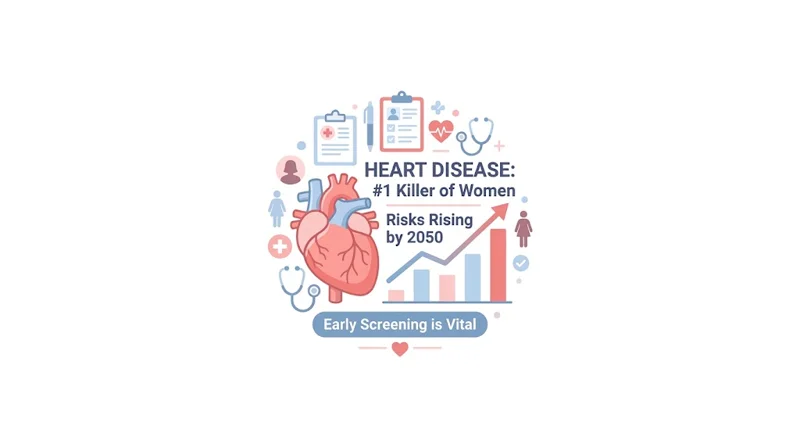
The recent introduction of the heart disease women girls groundbreaking framework is transforming how the medical community approaches female cardiovascular health. Heart disease is currently the number one killer of women in the United States, claiming more than 400,000 lives annually. This staggering statistic surpasses deaths from breast cancer, lung cancer, and chronic lung disease combined.
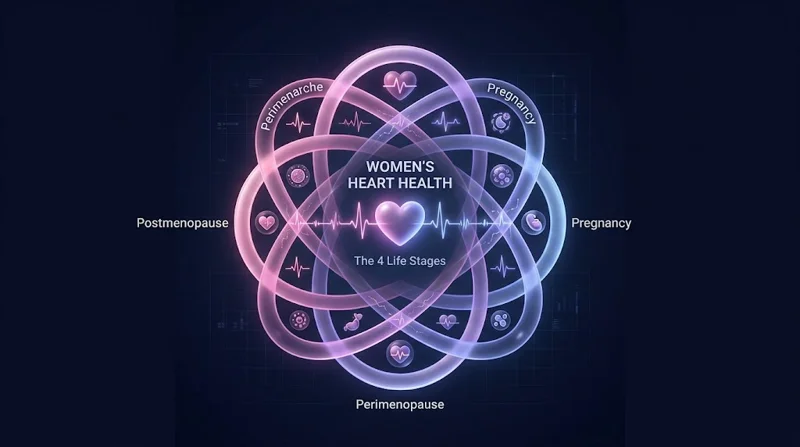
To combat this rising threat, four major medical groups have developed an unprecedented strategy. This new initiative provides coordinated women’s heart health guidelines that span from puberty through postmenopause. Understanding this heart disease women girls groundbreaking framework is no longer optional; it is a critical necessity for proactive healthcare.
Contents
The Urgency Behind the heart disease women girls groundbreaking framework
For decades, female healthcare has been heavily fragmented across different clinical specialties. A woman might see a pediatrician, a gynecologist, and an internist, with no single doctor connecting the dots regarding her long-term cardiovascular health. The heart disease women girls groundbreaking framework aims to eliminate these dangerous gaps in patient care.
By mapping out specific biological transitions, doctors can now identify cardiovascular disease risk factors much earlier in life. Conditions like polycystic ovary syndrome (PCOS), preeclampsia during pregnancy, and early menopause are no longer viewed as isolated reproductive issues. Instead, they are recognized as critical indicators of future heart health.
“Heart disease and other forms of cardiovascular disease don’t suddenly become relevant when we become older women. Care must be holistic and begin in adolescence.”
Exploring the Female life stages framework
The core of the heart disease women girls groundbreaking framework is its division of a woman’s life into four distinct stages. Each stage presents unique risks and specific windows of opportunity for medical intervention and prevention.
Hormonal changes and heart disease are deeply interconnected. Estrogen and progesterone do not merely affect reproductive organs; they heavily influence blood vessels, cholesterol levels, and brain health. Below is a detailed look at how risks evolve across a woman’s lifespan.
| Life Stage | Age Range | Key Cardiovascular Disease Risk Factors |
|---|---|---|
| Perimenarche | 8-15 Years | First period before age 10; irregular bleeding hinting at future PMOS. |
| Ovarian Cycle & Pregnancy | 15-44 Years | Gestational diabetes and preeclampsia acting as a heart “stress test.” |
| Perimenopause | 45-51 Years | Rising blood pressure, increased bad cholesterol, and weight gain. |
| Postmenopause | 51+ Years | Loss of protective estrogen leading to plaque buildup in arteries. |
How the heart disease women girls groundbreaking framework Addresses the Future
The projections for the next two decades are deeply concerning. By 2050, it is estimated that the percentage of women with at least one type of cardiovascular disease will climb significantly. The heart disease women girls groundbreaking framework provides clinicians with shared guidance to act before a heart attack or stroke occurs.
You can read more about these rising statistics and clinical guidelines directly from the official American Heart Association website. Recognizing the threat early is the most powerful tool we have.
Combating Menopause cardiovascular risk with the heart disease women girls groundbreaking framework
The postmenopausal phase represents a critical vulnerability period. As protective estrogen levels drop, blood vessels can stiffen, and cholesterol builds up faster. The heart disease women girls groundbreaking framework emphasizes that symptoms like prolonged hot flashes are associated with worse cardiovascular profiles.
Doctors are now urged to monitor these traditional risk factors aggressively. While hormone therapy is not universally required, maintaining healthy lifestyle habits and closely monitoring blood sugar and cholesterol are absolute necessities.
“The teen years are when patterns get set, and it’s much easier to keep good heart health than to get it back.”
| Health Metric | 2020 Data | 2050 Projection (Without Intervention) |
|---|---|---|
| Women with Cardiovascular Disease | 10.7% | 14.4% |
| High Blood Pressure in US Women | High prevalence | Nearly 60% of all US women |
Ultimately, the application of the heart disease women girls groundbreaking framework is about proactive, lifelong care. By understanding how hormonal shifts impact the body, both patients and clinicians can work together to rewrite these grim statistics and save millions of lives.
Frequently Asked Questions
What is the heart disease women girls groundbreaking framework?
It is a newly published coordinated medical framework designed to identify, prevent, and manage heart disease in females across four distinct life stages.
Why are new women’s heart health guidelines necessary now?
Heart disease is the leading killer of women, and rates are projected to rise significantly by 2050, requiring a more specialized, holistic approach.
How does pregnancy impact future cardiovascular disease risk factors?
Pregnancy acts as a “stress test” for the heart; conditions like preeclampsia or gestational diabetes strongly signal a higher risk for future heart disease.
Does the heart disease women girls groundbreaking framework apply to teenagers?
Yes, the framework tracks risks starting from puberty, noting that a first period before age 10 can be linked to higher cardiovascular risks later.
How do hormonal changes and heart disease connect?
Hormones like estrogen impact blood vessel relaxation, cholesterol levels, and inflammation. Fluctuations deeply affect the entire cardiovascular system.
What increases Menopause cardiovascular risk?
The loss of protective estrogen after menopause makes blood vessels stiffer and allows cholesterol to build up on artery walls more easily.
Will the heart disease women girls groundbreaking framework change how I receive care?
Yes, it connects various medical specialties (like pediatrics, gynecology, and cardiology) to ensure your heart health is monitored holistically throughout your life.
Disclaimer: This article is for informational purposes only, and we are not affiliated with any medical, financial, or governmental institution mentioned. Always consult a healthcare professional for medical advice.