In an incredible medical milestone for 2026, family doctors england use blood tests spot cancer early world first programs to transform patient care. A revolutionary clinical trial is now underway to assess whether these straightforward diagnostic tools can accurately detect multiple common cancers. By moving this critical screening to general practices, healthcare providers hope to catch malignant cells much sooner.
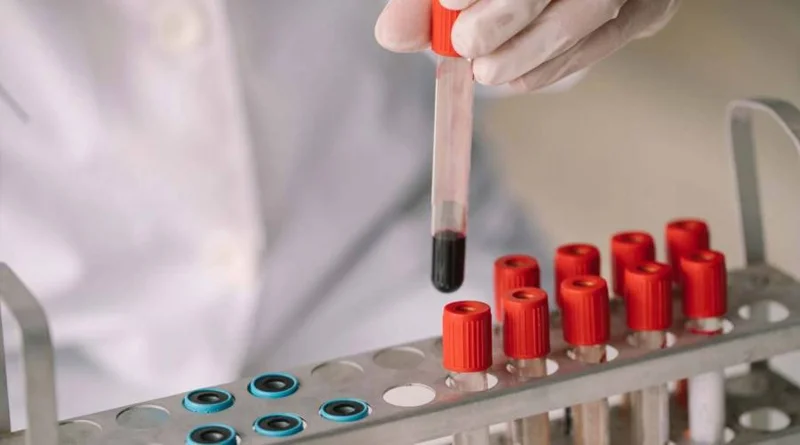
This initiative represents a massive shift in global oncology. When family doctors england use blood tests spot cancer early world first clinical models, they bypass traditional, lengthy referral waiting times. The tests are currently being trialed for their unprecedented ability to find signs of disease in a single blood sample and pinpoint exactly where in the body the disease originates.
Contents
Understanding How family doctors england use blood tests spot cancer early world first
The clinical trial covers 14 distinct types of cancer, including prostate, ovarian, bowel, pancreatic, stomach, and liver. Historically, these diseases are often diagnosed too late, leading to poor health outcomes. By introducing multi-cancer early detection blood tests at the primary care level, the medical community aims to drastically reverse this trend.
At least 200 general practitioner practices across the National Health Service will participate in these primary care clinical trials. It is expected to cover more than 20,000 patients, offering a vast dataset to prove the absolute efficacy of this new AI-powered cancer screening technology.
| Trial Metric | Details & Scope |
|---|---|
| Participating Clinics | Over 200 local GP practices |
| Total Patients | More than 20,000 individuals |
| Target Age Group | Patients aged 45 and older |
“Implementing AI-powered cancer screening technology at the local clinic level is the definitive key to improving cancer survival rates globally.”
Why family doctors england use blood tests spot cancer early world first Trials Target Specific Symptoms
Patient selection is a highly critical component of this study. The trial specifically focuses on patients aged 45 and over who visit their general practitioner with persistent issues. Diagnosing abdominal cancer symptoms, such as ongoing bloating or discomfort, has always been challenging because these signs are often vague and mimic benign conditions.
By targeting this specific demographic, the trial will accurately assess how well the tests work to support GPs’ judgment. Before a decision is made to roll the program out nationally, data must prove that when family doctors england use blood tests spot cancer early world first interventions, false positives are minimized and genuine medical threats are neutralized immediately.
The Technology Empowering family doctors england use blood tests spot cancer early world first Success
The core of this diagnostic revolution relies on measuring specific proteins in the blood, combined with advanced artificial intelligence algorithms. Researchers developed these advanced tests to analyze complex biological markers that indicate tumor growth long before a patient feels severely ill.
With cancer mortality in certain regions being among the highest across OECD countries, improving cancer survival rates is a top priority for governments everywhere. Giving local doctors the tools to identify patients who need urgent treatment much sooner is essential. You can learn more about global clinical research standards at the World Health Organization.
| Cancer Type | Detection Difficulty (Historically) | Impact of Early Detection |
|---|---|---|
| Pancreatic | Very High (often asymptomatic) | Opens life-saving surgical options |
| Ovarian | High (vague abdominal symptoms) | Massive increase in overall survival rate |
| Bowel | Moderate (requires invasive scopes) | Effectively prevents advanced metastasis |
“This is a true medical paradigm shift; detecting up to 14 distinct cancers from a single vial of blood will completely redefine modern primary care.”
The Future: When family doctors england use blood tests spot cancer early world first Programs Expand
If the results are as promising as the preliminary data suggests, we could see a massive global shift in standard healthcare protocols. Once the trial establishes that simple blood tests can effectively triage high-risk patients, other nations are highly likely to adopt the model. The ultimate goal is to ensure that when family doctors england use blood tests spot cancer early world first methods, they set a new gold standard for international medicine.
Frequently Asked Questions
What exactly is this new clinical trial about?
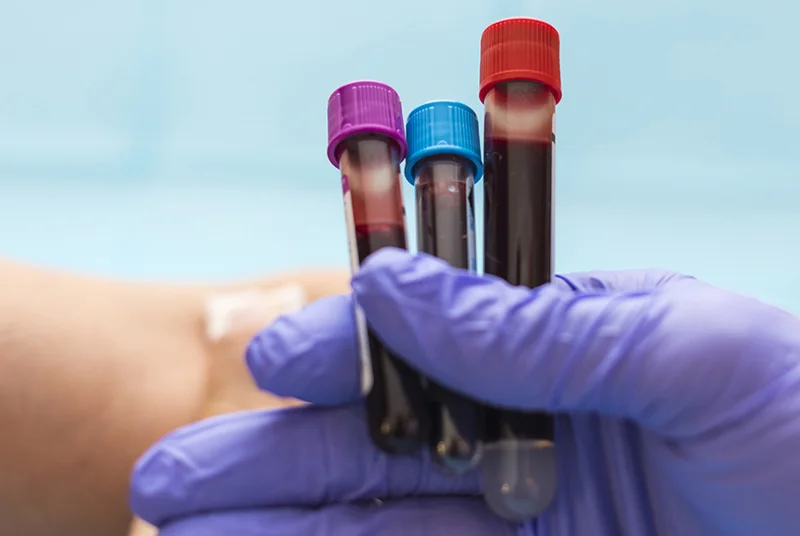
It is a groundbreaking trial where family doctors england use blood tests spot cancer early world first technologies to detect up to 14 different cancers from a single blood sample at the primary care level.
Who is eligible to participate in the trial?
Patients aged 45 and over who present to their general practitioner with persistent abdominal symptoms like bloating, pain, or general discomfort.
How many GP practices are involved in this research?
At least 200 primary care practices across the National Health Service are participating, covering a broad demographic of over 20,000 patients.
What kinds of cancers can this blood test identify?
The multi-cancer early detection blood tests look for 14 cancers, including notoriously hard-to-detect ones like pancreatic, ovarian, bowel, stomach, and liver cancer.
How does the technology actually work to find cancer?
It utilizes cutting-edge AI-powered cancer screening technology to measure specific proteins in the blood that indicate the earliest presence of malignant tumors.
Why is this trial considered such a massive medical milestone?
Because having family doctors england use blood tests spot cancer early world first allows patients to be diagnosed in primary care rather than waiting months for specialist hospital referrals.
What happens if the trial is deemed completely successful?
If it effectively supports GPs’ diagnostic judgment, the testing protocol could be rolled out nationally, vastly improving global cancer survival rates and saving countless lives.
Disclaimer: This article is for informational purposes only and is not a substitute for professional medical advice, diagnosis, or treatment. Always consult with a qualified healthcare provider regarding any medical symptoms or conditions.