In 2026, new evidence links microplastics colon cancer, raising massive alarms about the everyday convenience of takeout containers. For decades, doctors have watched early-onset colorectal cancer rates skyrocket among young adults. Previously, processed foods and sedentary lifestyles were primarily blamed for this terrifying health trend.
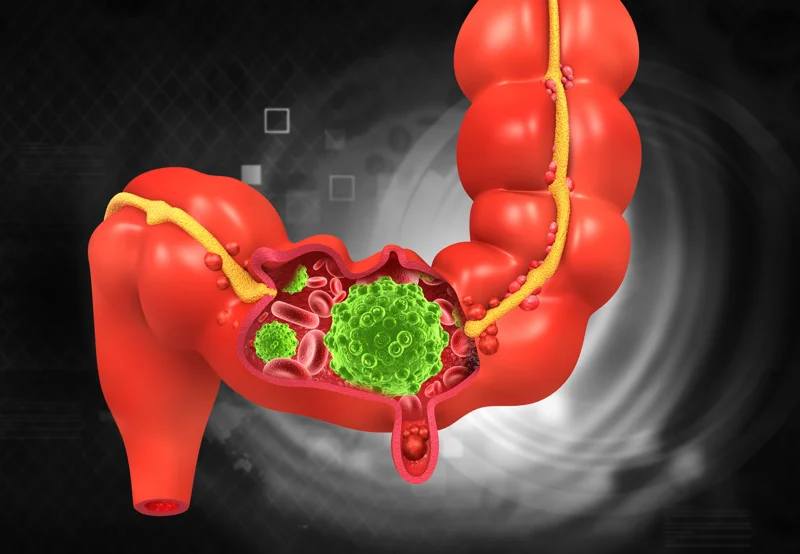
Today, scientific research has identified a much more insidious culprit hiding in plain sight. Tiny plastic particles from your daily coffee cup and food packaging are directly infiltrating your digestive system, leading to catastrophic health consequences.
Contents
Understanding why new evidence links microplastics colon cancer
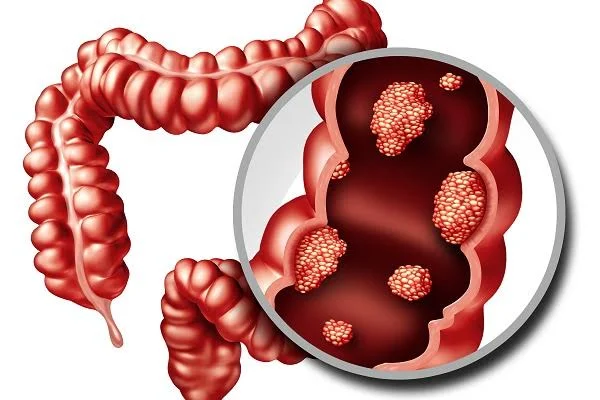
Recent studies confirm that polystyrene nanoplastics in food packaging are not just passing through the human body harmlessly. Instead, they are accumulating in the gut. This accumulation promotes tumor growth and accelerates the onset of severe gastrointestinal diseases in otherwise healthy young adults.
The core issue lies in microplastics and gut bacteria disruption. When you ingest these microscopic plastic shards, they act like tiny needles. Researchers explain that these particles puncture the protective mucus layer of the colon. This breach allows dangerous toxins and harmful microbes to penetrate the colon wall, creating the perfect environment for cancer to develop.
| Plastic Source | Cellular Impact on the Gut | Cancer Risk Level |
|---|---|---|
| Styrofoam Cups | Damages the protective mucus layer | High |
| Plastic Takeout Boxes | Microplastics and gut bacteria disruption | Severe |
| Microwaved Containers | Releases highly concentrated nanoplastics | Critical |
“Microplastics may not act alone, but rather serve as a dangerous vehicle that transports cancer-causing toxins directly through the colon’s protective mucus barrier.”
Because new evidence links microplastics colon cancer so strongly, medical professionals are urging the public to rethink their relationship with modern food packaging. The timing of the global rise in microplastic pollution perfectly aligns with the demographic shift of cancer diagnoses.
Actionable steps since new evidence links microplastics colon cancer
Knowing the risks is only the first step; taking immediate preventative action is crucial to protect your health. One of the most urgent recommendations from toxicologists involves the extreme dangers of heating food in plastic. When plastic containers are exposed to high temperatures, they shed millions of nanoplastics directly into your meal.
To mitigate this risk, you must transfer your food to glass or ceramic plates before microwaving. Additionally, staying updated on modern colon cancer screening guidelines is your best defense against this silent killer. In response to rising early-onset colorectal cancer rates, medical authorities now strongly advise beginning regular screenings at age 45, or even earlier if you have a family history.
| Preventative Measure | Health Benefit |
|---|---|
| Use Glass Containers | Eliminates the dangers of heating food in plastic. |
| Follow Early Screenings | Catches precancerous polyps before they turn malignant. |
| Avoid Styrofoam | Reduces exposure to polystyrene nanoplastics in food packaging. |
“Early screening is no longer just for the elderly; it is a vital tool for young adults to manage the escalating risks associated with our plastic-heavy food systems.”
It is undeniable that new evidence links microplastics colon cancer in a way that demands global attention. To read more about the latest official screening recommendations and cancer prevention strategies, visit the American Cancer Society.
FA
Understanding how new evidence links microplastics colon cancer
Question: What exactly does it mean that new evidence links microplastics colon cancer?
Recent studies show that ingesting microscopic plastic particles from food containers causes physical and bacterial damage to the colon, creating an environment highly susceptible to tumor growth.
Why are early-onset colorectal cancer rates rising so fast?
While poor diet and inactivity play a role, scientists now believe the massive global increase in microplastic ingestion since the 1990s is a primary driver behind cancers in younger adults.
Are polystyrene nanoplastics in food packaging really that dangerous?
Yes. Polystyrene from Styrofoam cups and boxes sheds tiny particles that can penetrate the colon’s mucus layer, bringing toxins directly into contact with vulnerable cells.
What are the specific dangers of heating food in plastic?
Microwaving or heating plastic causes it to degrade rapidly, releasing millions of invisible nanoplastics and toxic chemicals directly into the food you are about to eat.
How does microplastics and gut bacteria disruption happen?
Plastics alter the delicate microbiome balance in your stomach and intestines, killing off good bacteria and allowing harmful, inflammation-causing bacteria to thrive.
Have colon cancer screening guidelines changed recently?
Yes. Due to the spike in cases among younger demographics, medical guidelines now recommend that adults of average risk begin regular colorectal screenings at age 45 instead of 50.
Can I completely avoid microplastics in my diet?
While completely avoiding them is nearly impossible in the modern world, you can drastically reduce your exposure by never heating food in plastic and opting for glass, stainless steel, or ceramic containers whenever possible.
Disclaimer: This article is for informational purposes only. It does not constitute medical advice. Always consult with a qualified healthcare professional regarding cancer screenings, dietary changes, and personal health concerns.
Understanding how new evidence links microplastics colon cancer Question: What exactly does it mean that new evidence links microplastics colon cancer?
Recent studies show that ingesting microscopic plastic particles from food containers causes physical and bacterial damage to the colon, creating an environment highly susceptible to tumor growth.
Why are early-onset colorectal cancer rates rising so fast?
While poor diet and inactivity play a role, scientists now believe the massive global increase in microplastic ingestion since the 1990s is a primary driver behind cancers in younger adults.
Are polystyrene nanoplastics in food packaging really that dangerous?
Yes. Polystyrene from Styrofoam cups and boxes sheds tiny particles that can penetrate the colon’s mucus layer, bringing toxins directly into contact with vulnerable cells.
What are the specific dangers of heating food in plastic?
Microwaving or heating plastic causes it to degrade rapidly, releasing millions of invisible nanoplastics and toxic chemicals directly into the food you are about to eat.
How does microplastics and gut bacteria disruption happen?
Plastics alter the delicate microbiome balance in your stomach and intestines, killing off good bacteria and allowing harmful, inflammation-causing bacteria to thrive.
Have colon cancer screening guidelines changed recently?
Yes. Due to the spike in cases among younger demographics, medical guidelines now recommend that adults of average risk begin regular colorectal screenings at age 45 instead of 50.
Can I completely avoid microplastics in my diet?
While completely avoiding them is nearly impossible in the modern world, you can drastically reduce your exposure by never heating food in plastic and opting for glass, stainless steel, or ceramic containers whenever possible.