
What men need to know after a major update to prostate cancer guidelines is that the era of medical ambiguity is finally over. In a historic and much-needed shift, the American Cancer Society has drastically changed its official screening recommendations. This new directive eliminates the old, confusing advice and replaces it with clear, actionable steps designed to save lives.
For over a decade, doctors simply advised patients to discuss the pros and cons of testing. Now, the rules are definitive. Understanding What men need to know after a major update to prostate cancer guidelines is crucial for early prostate cancer detection and long-term survival. If you are a middle-aged man, your healthcare routine is about to change significantly.
Contents
The Major Shift: What men need to know after a major update to prostate cancer guidelines
The most profound change in the American Cancer Society screening rules involves men at average risk. The new baseline dictates that men between the ages of 50 and 69 should undergo a Prostate-specific antigen blood test every two years. This is a massive departure from the highly debated recommendations issued back in 2010.
By making this a standard recommendation, the medical community hopes to catch aggressive tumors long before they spread. Discussing What men need to know after a major update to prostate cancer guidelines helps primary care physicians bypass lengthy debates and directly order life-saving lab work. It streamlines the entire preventative healthcare process.
“This update takes the ambiguity out of screening. We are finally giving doctors and patients a definitive roadmap to catch tumors early without second-guessing.”
However, this new standard does not apply universally to everyone. The medical community recognizes that genetics and demographics play a massive role in cancer development. Therefore, the timeline accelerates dramatically for those who fall into high-risk categories.
| Patient Risk Profile | Recommended Starting Age | Testing Frequency |
|---|---|---|
| Average Risk (No family history) | Age 50 | Every 2 Years |
| High Risk (Black men, family history) | Age 45 | Annually |
| Older Adults (Excellent Health) | Age 70-79 | Based on Doctor’s Discretion |
Risk Factors & Timelines: What men need to know after a major update to prostate cancer guidelines
When exploring What men need to know after a major update to prostate cancer guidelines, we must highlight High-risk prostate cancer factors. Black men and individuals with a strong family history of the disease are highly vulnerable. For these men, annual PSA test recommendations kick in at age 45.
A “strong family history” means having a father, brother, or son diagnosed before age 65. If multiple close relatives are diagnosed at any age, the risk multiplies. Taking proactive steps at 45 ensures that aggressive cancers are identified at their most treatable stage.
Conversely, for men who reach age 70, the guidelines suggest a reevaluation. The benefits of screening decrease as men age. In fact, the society strongly discourages routine screening for men over 80, prioritizing quality of life over aggressive medical interventions.
Preventing Overtreatment: What men need to know after a major update to prostate cancer guidelines
A critical aspect of What men need to know after a major update to prostate cancer guidelines is how modern medicine handles positive test results. Historically, a high PSA score immediately led to invasive biopsies and surgeries. This resulted in the overtreatment of slow-growing tumors that posed no immediate threat.
Today, doctors use secondary verification methods. A high PSA test is usually followed by a repeat blood draw. If levels remain elevated, an MRI scan is often ordered to pinpoint whether a biopsy is actually necessary. This precise approach minimizes unnecessary harm and anxiety.
“Modern screening isn’t just about finding cancer; it is about smartly identifying which tumors require immediate action and which simply need active surveillance.”
By utilizing active surveillance for low-risk tumors, patients avoid the severe side effects of radiation or surgery. Learning What men need to know after a major update to prostate cancer guidelines empowers patients to demand these modern diagnostic steps before rushing into treatment.
| Diagnostic Era | Initial Action on High PSA | Treatment Approach |
|---|---|---|
| Past Guidelines (Pre-2026) | Immediate Blind Biopsy | Aggressive Treatment Default |
| Current Guidelines (2026) | Repeat Test & MRI Scan | Active Surveillance Priority |
Final Thoughts on What men need to know after a major update to prostate cancer guidelines
Ultimately, this update is a massive victory for men’s health. With over 333,000 men expected to be diagnosed this year alone, having a clear screening schedule is essential. Knowing exactly What men need to know after a major update to prostate cancer guidelines will undoubtedly lead to more grandfathers spending quality time with their families a decade from now.
To stay fully informed on the latest medical research and ongoing updates, we highly recommend visiting the official American Cancer Society website. Always prioritize open communication with your primary care physician to tailor these guidelines to your specific health profile.
Frequently Asked Questions

What is a Prostate-specific antigen blood test?
It is a simple blood test that measures the level of a specific protein produced by prostate cells. Elevated levels can be an early indicator of prostate cancer or other benign conditions.
At what age should a man with average risk start getting tested?
According to the new American Cancer Society screening rules, men at average risk should begin getting tested every two years starting at age 50.
Who is considered to be at high risk for prostate cancer?
High-risk prostate cancer factors include being a Black man or having a strong family history, such as a father or brother diagnosed before the age of 65.
When should high-risk men begin their cancer screenings?
Men in high-risk categories should begin annual PSA testing earlier, specifically starting at age 45.
Does a high PSA score mean I definitely have cancer?
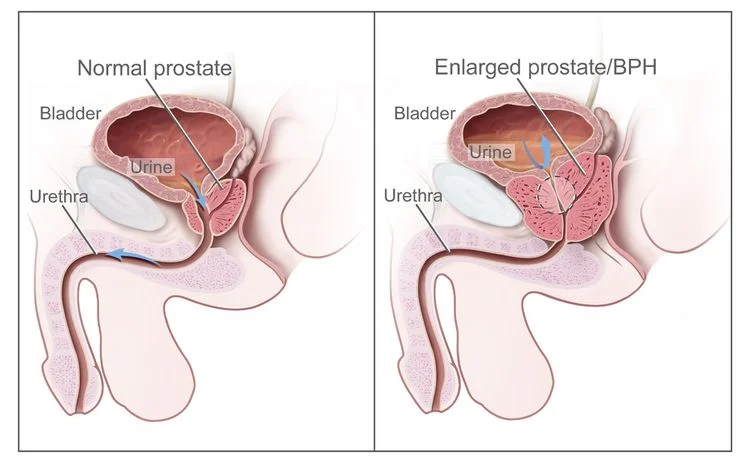
No. A high score can also be caused by an enlarged prostate, an infection, or even vigorous physical exercise prior to the test.
How do the new guidelines prevent overtreatment?
The updated rules recommend repeating the blood test to confirm high levels and using MRI scans before resorting to invasive biopsies or aggressive treatments for slow-growing tumors.
At what age should men stop worrying about routine screenings?
The guidelines suggest discussing testing limits with a doctor at age 70. Routine screening is generally no longer recommended once a man reaches 80 years of age.
Disclaimer: This article is for informational purposes only. It is not intended to be a substitute for professional medical advice, diagnosis, or treatment. Always seek the advice of your physician or other qualified health provider with any questions you may have regarding a medical condition.