
Aggressive cancer type linked to common chemical exposure in new study findings has sent shockwaves through the medical community in 2026. Researchers from the National Institutes of Health (NIH) have uncovered a disturbing connection between “forever chemicals” and severe illness.
These synthetic substances, known scientifically as PFAS, linger in our bodies and the environment for decades. Now, data shows they may be silently triggering one of the most dangerous forms of breast disease known to modern medicine.
Contents
Understanding the Threat: Aggressive cancer type linked to common chemical exposure in new study
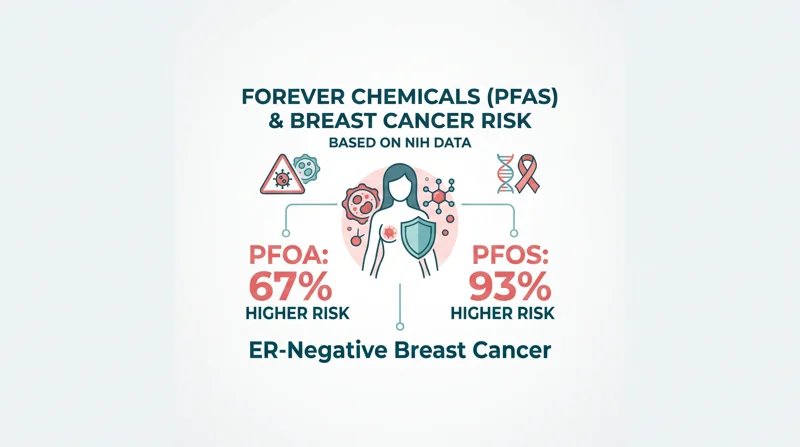
A recent publication in the prestigious Journal of Clinical Oncology highlighted two specific types of older PFAS chemicals. These are perfluorooctanoic acid (PFOA) and perfluorooctanesulfonic acid (PFOS).
Women with elevated blood levels of these specific compounds face a dramatically higher risk of developing estrogen receptor-negative (ER-negative) breast cancer. Because an aggressive cancer type linked to common chemical exposure in new study data is ER-negative, patients often experience much worse clinical outcomes.
Unlike tumors that respond to estrogen, ER-negative cancers are notoriously difficult to treat. They tend to grow faster and have fewer targeted therapy options available, making early prevention absolutely critical.
| Type of Forever Chemical (PFAS) | Increase in ER-Negative Cancer Risk |
|---|---|
| Perfluorooctanoic Acid (PFOA) | 67% Higher Rate |
| Perfluorooctanesulfonic Acid (PFOS) | 93% Higher Rate |
“The highest PFOS exposure group showed a 93% higher rate of aggressive ER-negative tumors compared to those with the lowest exposure.”
The Science Behind Why an Aggressive cancer type linked to common chemical exposure in new study
Data for this massive undertaking was collected from a U.S. research initiative known as the Sister Study. The project thoroughly investigated environmental and genetic factors across thousands of participants over several years.
Researchers measured 17 different forever chemicals in blood samples collected before any cancer diagnosis was made. The results clearly confirmed an aggressive cancer type linked to common chemical exposure in new study cohorts, specifically pinpointing older, long-chain PFAS.
You can read more about these vital environmental health initiatives through the official website of the National Institutes of Health (NIH). Their ongoing research provides essential insights into public health and cancer prevention.
Minimizing Your Risk: Aggressive cancer type linked to common chemical exposure in new study
Although forever chemicals are persistent in the environment, your daily exposure is highly modifiable. Experts suggest taking immediate, practical steps to remove these toxic elements from your household.
Knowing that an aggressive cancer type linked to common chemical exposure in new study findings has been established, auditing your kitchen is the first step. Avoid nonstick pans that utilize older chemical coatings.
“I recommend not heating up any food in plastic containers, because as you heat these plastics, they tend to leach more of the compounds into our foods.”
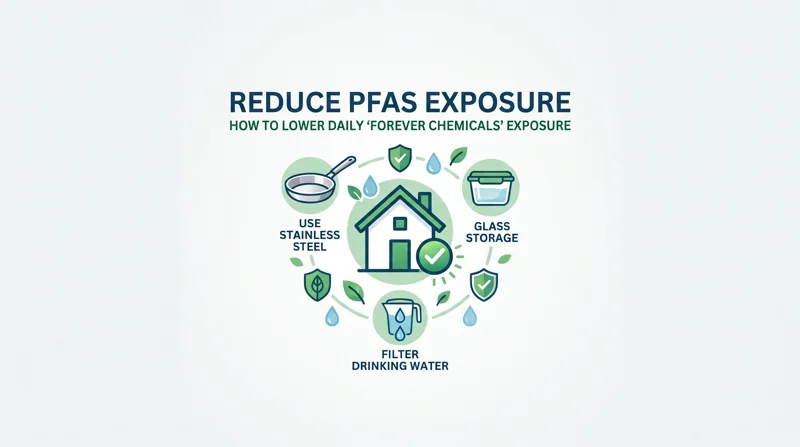
Swap out nonstick cookware for stainless steel, cast iron, or ceramic alternatives. Additionally, review your cosmetics, waterproof clothing, and personal care products for hidden PFAS ingredients.
| Common Household Source of PFAS | Safer, Toxin-Free Alternative |
|---|---|
| Traditional Nonstick Cookware | Stainless Steel or Cast Iron Pans |
| Plastic Food Storage Containers | Glass or Food-Grade Ceramic Storage |
| Unfiltered Tap Water | Certified Reverse Osmosis Water Filters |
FAQs: Aggressive cancer type linked to common chemical exposure in new study
What exactly are “forever chemicals”?
Forever chemicals, or PFAS, are synthetic substances used in consumer products for their water- and grease-resistant properties. They break down incredibly slowly in the human body and the environment.
Which specific cancer is linked to these chemicals?
An aggressive cancer type linked to common chemical exposure in new study findings is estrogen receptor-negative (ER-negative) breast cancer.
Are all breast cancers linked to PFAS exposure?
No. The NIH study found a strong association specifically with ER-negative breast cancer, not breast cancer in general.
How do these chemicals increase cancer risk?
While the exact mechanism requires more research, oncologists believe PFAS may damage cellular DNA, interfere with DNA repair, or promote carcinogenic cellular transformations.
What is the highest risk factor found in the study?
Women with the highest blood levels of PFOS had a 93% higher relative rate of developing ER-negative breast cancer compared to those with the lowest levels.
How can I reduce my daily exposure to PFAS?
You can limit exposure by filtering your drinking water, avoiding heating food in plastic containers, using stainless steel cookware, and auditing your cosmetic products.
Does this study prove that PFAS causes cancer?
The study establishes a strong association, but it does not definitively prove causation. However, because an aggressive cancer type linked to common chemical exposure in new study results has been observed, health officials urge caution and further investigation.
Disclaimer: This article is for informational purposes only and does not constitute medical advice. We are not affiliated with the NIH, the HHS, or any medical institution mentioned. Always consult your physician or a qualified healthcare provider regarding cancer risks and environmental exposures.