A Routine Blood Test Could Predict Dementia Risk 15 Years in Advance, according to a groundbreaking medical study highlighted in 2026. This incredible discovery is fundamentally changing how we view standard health check-ups and preventative medicine.
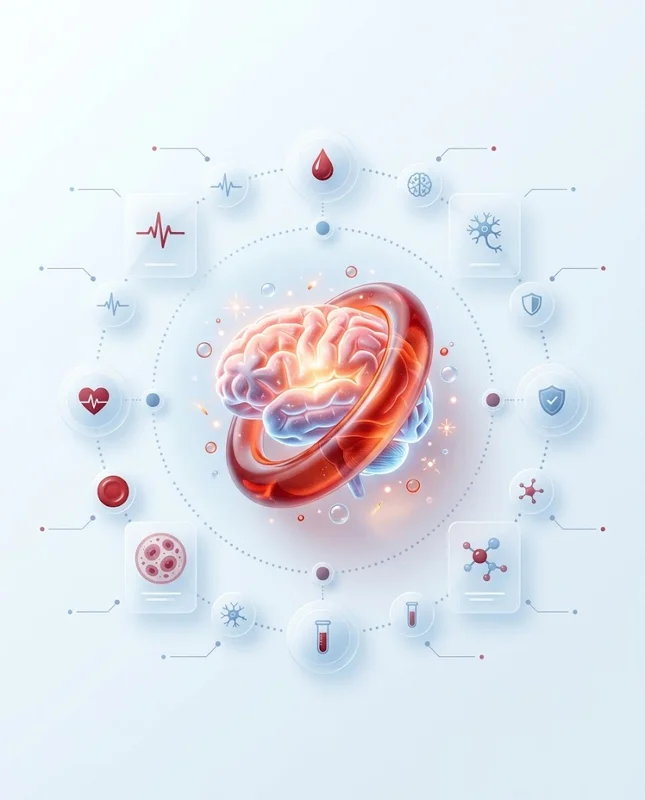
Researchers tracked over 316,000 adults to uncover vital brain aging markers. They found that a simple check of your hemoglobin levels might reveal significant, life-changing clues about your future cognitive health.
By identifying these hidden warning signs, doctors can prioritize cognitive decline prevention long before symptoms appear. Read on to explore how this accessible test is transforming our approach to neurological wellness.
Contents
Unveiling the Study: Why A Routine Blood Test Could Predict Dementia Risk 15 Years in Advance
The extensive research monitored hundreds of thousands of South Korean adults aged 40 and older for over a decade. By closely analyzing national health insurance records, scientists discovered a profound and undeniable connection between hemoglobin levels and brain health.
It turns out that A Routine Blood Test Could Predict Dementia Risk 15 Years in Advance simply by measuring the oxygen-carrying protein found in red blood cells. Participants with unusually low or high hemoglobin exhibited a significantly increased likelihood of developing cognitive disorders.
| Hemoglobin Level Category | Overall Dementia Risk Increase | Primary Health Association |
|---|---|---|
| Lowest 20% (Low Hemoglobin) | 16% Higher Risk | Anemia, poor nutrition, early frailty |
| Normal Range | Baseline (Reference) | Optimal oxygen delivery to the brain |
| Highest 20% (High Hemoglobin) | 7% Higher Risk | Smoking, dehydration, lung conditions |
Those in the lowest hemoglobin category faced a 16% higher risk of developing overall dementia from any cause. Meanwhile, those in the highest category saw a 7% increased risk compared to individuals with normal, healthy levels.
“A blood test most people already get at a routine check-up may say something about their brain health many years later, offering a critical window for early intervention.”
Alzheimer’s vs. Vascular: A Routine Blood Test Could Predict Dementia Risk 15 Years in Advance
Breaking down the data reveals distinct patterns for specific neurological conditions. When looking at an Alzheimer’s disease diagnosis, the increased risk was primarily concentrated among individuals with the absolute lowest hemoglobin levels.
In contrast, vascular dementia risk factors showed a vastly different trend. Vascular dementia, which is caused by reduced blood flow to the brain, spiked drastically in both the highest and lowest hemoglobin categories.
This stark difference proves why A Routine Blood Test Could Predict Dementia Risk 15 Years in Advance in such a highly detailed manner. Recognizing these patterns helps clinicians map out personalized strategies for cognitive decline prevention.
| Type of Cognitive Decline | Risk with Low Hemoglobin | Risk with High Hemoglobin |
|---|---|---|
| Alzheimer’s Disease | 14% Higher Risk | No significant pattern observed |
| Vascular Dementia | 19% Higher Risk | 18% Higher Risk |
Observational Links: How A Routine Blood Test Could Predict Dementia Risk 15 Years in Advance
It is vital to understand that these scientific findings are observational. While A Routine Blood Test Could Predict Dementia Risk 15 Years in Advance, abnormal hemoglobin does not directly cause brain degradation.
Instead, extreme hemoglobin levels serve as visible brain aging markers that reflect broader, systemic physical vulnerabilities. Early disease processes might silently affect body weight, cause undiagnosed anemia, or trigger cardiovascular stress well before a formal diagnosis occurs.
“Abnormal hemoglobin levels should not prompt immediate iron supplementation for brain health; rather, they point to underlying physical issues that require careful, professional medical attention.”
Medical experts emphasize that maintaining overall physical well-being is the key to cognitive health. By identifying and addressing these early warning signs, patients and their doctors can take proactive, life-saving steps.
For more comprehensive global guidelines on aging and neurological health, we recommend reading the latest expert insights directly from the World Health Organization.
Frequently Asked Questions
How exactly is it that A Routine Blood Test Could Predict Dementia Risk 15 Years in Advance?
Standard blood tests measure hemoglobin, which dictates your body’s ability to transport oxygen. Extreme hemoglobin levels act as early warning markers for systemic health issues strongly linked to future brain aging.
What is the connection between low hemoglobin and an Alzheimer’s disease diagnosis?
The large-scale study revealed that individuals with the lowest hemoglobin levels were roughly 14% more likely to develop Alzheimer’s compared to those who maintained normal blood levels.
Are vascular dementia risk factors triggered differently?
Yes, vascular dementia risks were notably elevated in people with both unusually low (19% higher risk) and unusually high (18% higher risk) hemoglobin readings.
Should I start taking iron supplements to lower my risk?
No. Researchers explicitly warn against using supplements solely for cognitive decline prevention without medical supervision, because hemoglobin is merely an indicator, not the direct cause of the disease.
Does having high hemoglobin guarantee I will experience cognitive issues?
Not at all. While A Routine Blood Test Could Predict Dementia Risk 15 Years in Advance by highlighting elevated statistical risks, it absolutely does not guarantee that cognitive issues will inevitably occur.
Why are brain aging markers so important in preventative healthcare?
Identifying brain aging markers early empowers individuals to make crucial lifestyle, dietary, and medical changes during their mid-life, which can significantly delay or entirely prevent disease onset.
Is this predictive blood test easily accessible for average patients?
Yes! Hemoglobin is checked during almost every standard complete blood count (CBC) at routine medical check-ups, making it an incredibly accessible tool for future health risk assessment.
Disclaimer: This article is for informational purposes only and does not substitute professional medical advice, diagnosis, or treatment. We are not affiliated with any medical, financial, or governmental institutions mentioned herein.